Adventure Nomad

Adventure Nomad
Showing posts with label Gear. Show all posts

Thursday, May 26, 2016

Simply Awesome: The North Face Waterproof Lumbar

I've been looking for a way to carry my oversized iPhone 6+ for the times when I'm out and about, and keep it dry from sweat and sudden rain storms.  Here in humid, tropical Singapore, both are a real problem.  When I added the Sony RX100 pocket camera to my assortment of carry around items, I knew I had to find a solution.

Laura models The North Face Waterproof Lumbar - Medium
Enter the North Waterproof Lumbar Pack.  It is a 4 liter (244 cubic inch) capacity, roll-top lumbar pack with fully taped seams.  When I first saw this, I thought it looked gimmicky and could not be waterproof.  Well, I took it home and held it under water for 30 seconds, and it did not leak.  The pack also has three external pockets that aren't waterproof, that are useful for things like keys or snacks, but everything you need to keep dry has to go in the main compartment.


It has become my 'man-purse' of sorts.  All my electronics and valuables, like pocket camera, cell phone, wallet, iphone lenses, spare batteries and memory cards, sunglasses earphones, and lens cleaner go in the main compartment.  Keys (if your car key has an electronic remote, it needs to go into the mail compartment), lip balm, and other small items I don't need to keep dry, go in the outside pockets.  In daily use, I tend to just clip the two ends of the roll-top together like a regular dry bag.  It works to keep the bag waterproof, and is quicker to open and close, since I only make one clip, but does not look as neat as clipping the two ends and cinching it down the sides of the pack.

What is also cool is that you can separate the waterproof bag from the hip belt, and you could use that like a regular small dry bag.  It will hold more than the items shown above, but keep in mind that the capacity is only 4 liters.  On my scale, the whole thing weighs 249g, and the separated dry bag weighs 104g, so a pretty lightweight setup.

The roll-top dry bag can be separated from the hip belt
It keeps my valuables and electronics dry, and safely secured around my waist.  It's the best outdoor 'man purse' I've ever used... Period.  'Nuff said.

The North Face Waterproof Lumbar is currently available at The North Face Singapore Stores.  

Disclosure:  I am sponsored by The North Face Singapore.  As such, I get gear from The North Face at no cost to me, or at a discounted price.  The item reviewed above was requested for my own personal use.  I just like it so much, that I felt I had to share it with you.

Saturday, February 20, 2016

Accessories for the Adventure Shooter's Sony A7s MkII

Here are some accessories that I use for my Sony a7sii, but could work for any alpha a7, a7r, a7s mk1 or mk2 adventure shooting kit.  Some, like the SDXC Memory Cards and a Screen Protector, are what I'd consider to be 'must haves', the others are nice to have.

64GB SDXC Memory Card
I know I read this somewhere before buying my camera, but in the excitement, I forgot all about it and as a result, could not shoot 4K video until I went back to the store to buy new SD cards. Take note that SDXC cards of at least 64GB size are required, the the memory cards from your last camera might not work.  I thought the Sony's were best 'bang for buck' and that I wouldn't have to worry about compatibility issues, and got 2 Sony Class 10 UHS-1/U3 SDXC up to 95MB/s Memory Card in 128GB size.

Extra Battery
For adventure or expedition shooting, you probably won't go through as many batteries as say, a wedding shooter.  The Camera does come with 2 batteries in the box, and although I've yet to go through more than 2 batteries in a day of shooting, it's worth picking up a 3rd battery as a spare.  I stopped using 3rd party batteries and only recommend using original Sony NP-FW50 batteries for consistent performance.  Sometimes, there's a deal from Sony to purchase an extra battery when you buy your camera.  Be aware that there are fake batteries circulating in the market.

Mindshift GP2
Mindshift GP2
I keep my memory cards and batteries in a MindShift GP2. It's made for Gopro accessories, but will hold 2 SDXC memory cards and 2 Sony NP-FW50 batteries.  I number my batteries and cards, and the clear holder allows me to see which card/battery is next up to cycle.  It's lightweight and allows me to secure way to store and organize those essentials.

LCD Screen Protector
Before you take the camera out of the box, put an LCD Screen Protector on it.  I had mine for just a day before I went back to the store to put a screen protector on, and the screen was already scuffed.

Peak Designs Leash Camera Strap
The Leash, by Peak Designs
Consider the Peak Design Leash Camera Strap.  I frequently take the strap off so it doesn't interfere with me moving the camera around and either snagging (hence ruining the shot) or making some kind of noise that will interfere with the built in camera microphone.  I'm used to homemade solutions, but the Leash is the best, lightest and most adjustable design I've seen, and will allow you attach their 'anchors' directly to the camera lugs, thereby eliminating the need for the triangular mounts, which could be a potential source of noise as well.  I also bought their Standard Plate, so I could attach the strap to the plate and have the camera over my shoulder hanging lens down, a much more ergonomic position.  Note that the strap is thin, and may not be the most comfortable for heavier setups.

Think Tank Body Bag

Camera Body Pouch/Bag
I like the Newswear Body Pouch that I've been using for years.  It fits the a7sii with 24-70mm lens, but with the hood stored in the reversed.  I've recently acquired the Think Tank Body Bag, which is larger and can store the same body lens combination (or a larger lens) with the hood in place, ready to use.  These bags are the ultimate in flexibility and lightweight for the adventure shooter.  I can use them as a chest pouch, mounted as a holster on a belt, or chucked into any backpack.  The velcro flap gives quick access to the camera, but dust protection is not so good.

Zeiss Lens Cleaning Wipes and a Chamois
Zeiss Cleaning Wipes
A friend gave me a box of Zeiss Lens Cleaning Wipes and since then, I've ditched my Lenspen in favor of them.  Nothing wrong with the Lenspens, its just that I never throw the old ones away, and I just don't know which have been around long enough to have picked up enough grit on the cleaning pad to be dangerous.  The Wipes are one-time-use, so I know they are clean.  I bring one wipe for every 3-4 days, plus one spare, or about 3 wipes for week long trip.  I also carry a  reusable chamois (synthetic, microfiber) to clean, and wipe off fog or moisture from the lens.

Sea to Summit Dry Bags.
They have nicer colors.
 
Ultralightweight Dry Bag
The Think Tank Body Bag (above) does come with a waterproof cover, but for extended periods in the wet, and also for unforseen circumstances, I prefer the security of a fully-waterproof dry bag.  I use a Sea to Summit Ultra-Sil Nano Dry Sack, which is lightweight and folds small out of the way.  The 13 liter size fits my camera with body bag, and a spare lens.  Or, a plastic bag stuffed into your camera bag will do in a pinch.
Thursday, September 10, 2015

Tools for Bike Travel

I travel often with my bike, and I can't travel with all my tools when I fly with my bike.  To save weight, I bring a minimum of tools, which I keep in a little travel tool box.  These are an addition to the typical bike tools that you should always have with you, like a bike multitool, pump and tire levers.  These are the tools I may use to assemble my bike at the destination, then they stay behind with my bike box or in the car.  Here are some tools you should consider bringing with you when you travel with your bike.

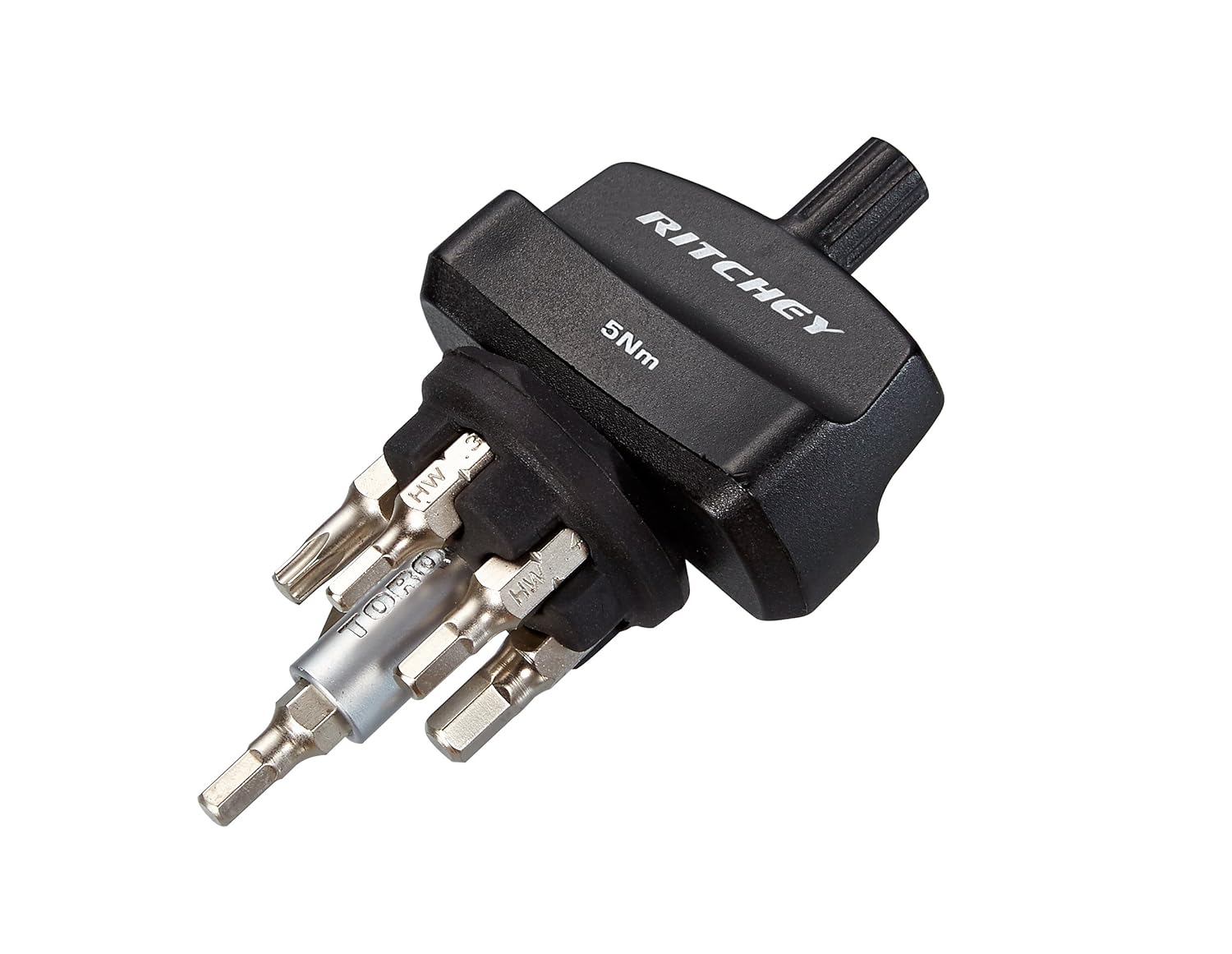
Ritchey 6-Bit Bicycle Torque Key
1. Ritchey 6-Bit Bicycle Torque Key
Carbon parts and titanium bolts require some care to fit.  Both over and under torquing the bolts could affect the ride, and shorten the life of the parts.  I love the Ritchey 6-Bit Bicycle Torque Key as it's compact and lightweight, and really fast to get bolts on and off with the 'spinner'.  I use the 5Nm preset mainly for my stem faceplate bolts, but I think it's also a good 'general' use torque, and better than my 'feel'.

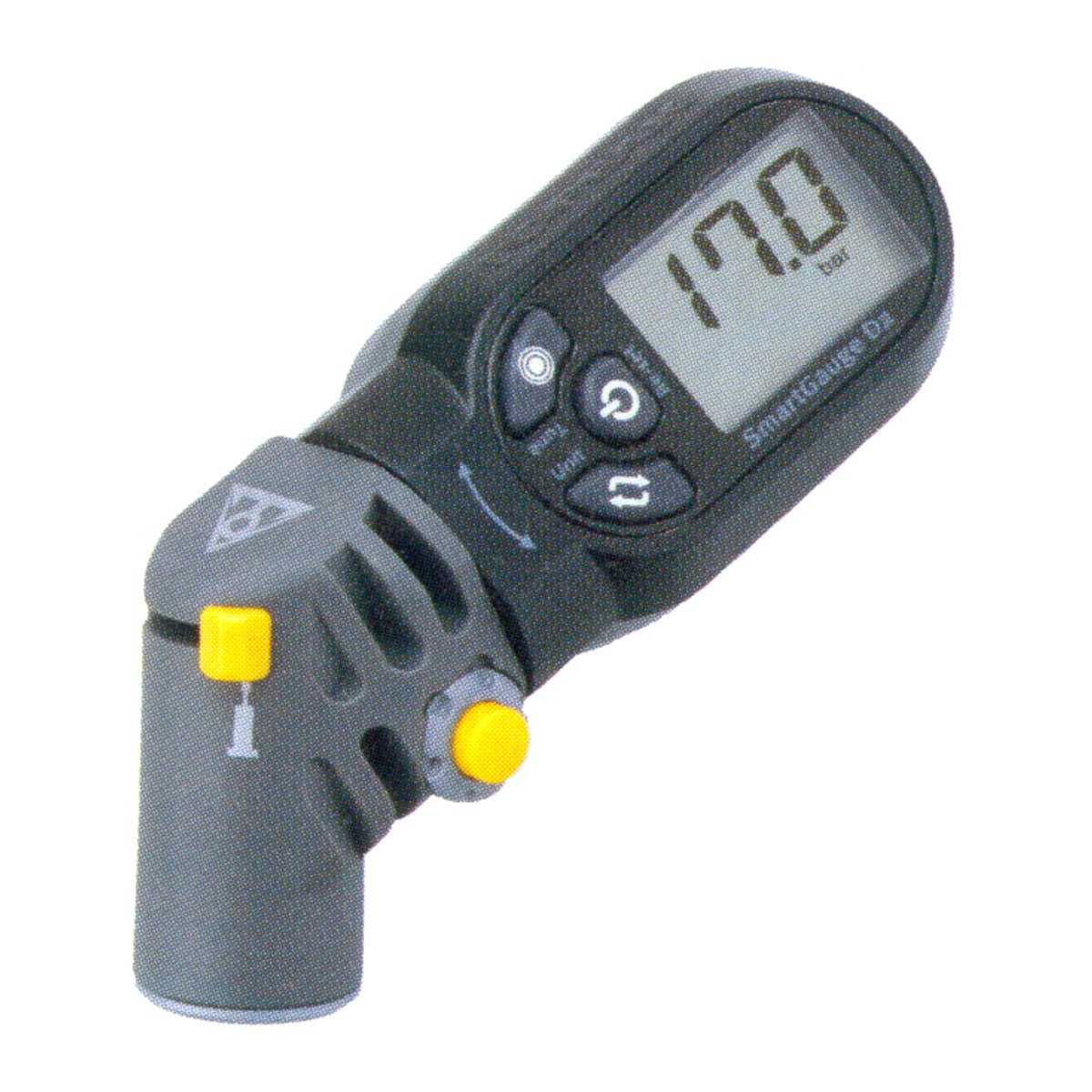
Topeak D2 Smartgauge

2. Topeak D2 SmartGauge
Getting consistent tire and shock pressures is one key to riding better.  I use a floor pump at home, but I don't bring that when I travel.  This gauge can check tires, front and rear shock pressures.  I do bring a travel tire and shock pump, but I can use whatever pump is available to me, and still maintain consistent pressures.

3. Park Tool HR-8 Hex Wrench (8mm)
It's easy enough to get a pedal on with a bike specific multi-tool, but after a long ride, it can be tough getting the pedal off if you cannot apply enough torque.  One solution is to throw a long-armed 8mm allen key into the travel kit.  I use mine to get the pedals on, and it stays with my bike box until I return to take the pedals off.

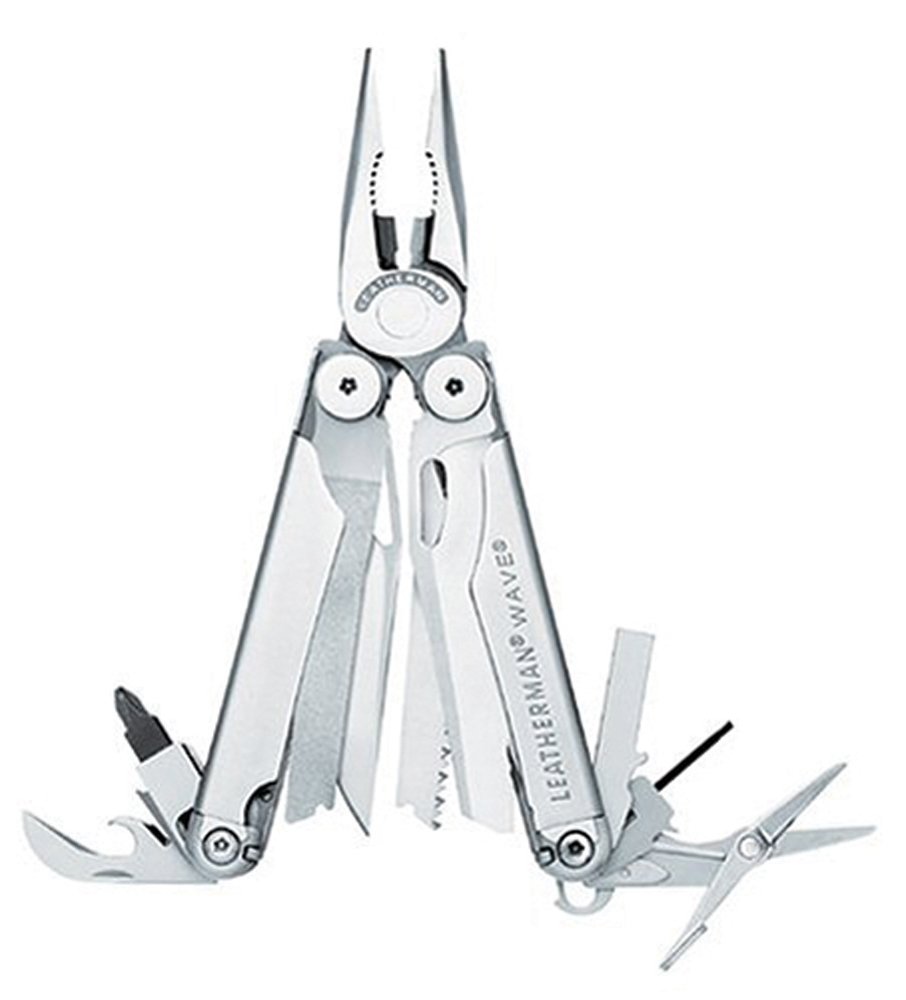
Leatherman New Wave

4. Leatherman New Wave Multitool
A bike specific multi-tool comes along with me on every ride, but a general purpose one, like the Leatherman Wave pictured above, can be a useful addition to the travel kit.  I use a tool like this to cut up and pull out the staples on cardboard bike boxes, slice fruit and duct tape. The little screwdriver can be useful for sunglasses, the file used to deburr sharp edges after a crash, and the pliers useful for taking apart power links. I've heard of the saw being used to cut up some wood to rig up a chain guide for a single speed conversion when the derailleur broke.  It's mainly a basecamp/hut/car tool as it's too heavy to take along most rides, but I sometimes carry a smaller/lighter tool on epic rides.

5. Old Inner Tube
If you have an old inner tube that is no longer useable as a spare, throw that in with your travel kit.  They can be cut up to use as shields or shims to protect your frame, rubber bands, GPS retainers.  I have also seen them used with tent pegs as a splint for a broken frame.

Tuesday, June 30, 2015

How to Use the iPhone 6 (and 6 Plus) for Backcountry Navigation

The new iPhone 6 and 6+ (pictured) have larger and better displays for map use in the field and significantly better battery life.  Changes to Airplane Mode introduced in IOS 8.3 make it easier to manage battery life.  We are eaisly getting 6-7 days or more of normal backcountry use without recharging.  Photo from adventurealan.com
I use my iPhone for navigation.  With good mapping software (I use Gaia GPS), an external battery pack to extend the life of the iPhone, and maybe a spare iPhone as backup (my wife's iPhone),  I've never found the need for anything else.

This is a great article by AdventureAlan'sUltralightBackpacking, whose thoughts mirror my own on how to use the iPhone for Backcountry Navigation.  Click this link to jump to the article.

Saturday, April 21, 2012

A Black Hole


The past six months of my life have been something of a black hole, sucked up by a mountain bike race in South Africa called the Cape Epic.  During the three months leading up to the race, I biked an average of 1000km a month, climbing over 37,000m... and it still wasn't enough.  I failed to complete the race with my teammate.

It wasn't a total loss.  I learned a lot too.  Still photography is difficult to do on a bike, and even more difficult to involve a viewer in the action.  But strapping on a small video camera to capture moving footage on a bike is relatively easy to do and easy to involve the viewer, and I so began the  process of learning how to shoot video.

GoPro HD Hero
I bought myself a GoPro HD Hero camera with various clips and attachments, and a Panasonic Lumix DMC-GH2 with 14-140mm kit lens, a Panasonic 7-14mm f/4.0 wide angle zoom, and a Panasonic LUMIX G 20mm f/1.7 Pancake Lens.  I also bought Final Cut Pro X, and along the way, learned that the iPhone 4s makes a pretty good video camera ;o)

Since my Cape Epic race was a bust, I thought I'd show you a couple of my training trips, and share a little of what I've learned about shooting video on a bike.   Keep in mind I'm still learning this stuff, so if you've got some feedback for me, I'd love to hear it.
Olloclip Quick-Connect Lens with Glif Tripod Mount

Here's an early trip in December last year.  I shot this entirely on my iPhone 4s and edited the footage on FCP X.  Since then, I learned that the iPhone makes an excellent bike touring camera.  With IOS 5.0, you can turn on the camera and shoot one handed.  It's not really wide enough when shooting video as the iPhone crops down a bit, perhaps because of the image stabilizer.  I'll probably buy the Olloclip Quick-Connect Lens Solution,  which gives you 3 lenses in one - fisheye, wide-angle and macro lenses.  I probably also pick up the Glif Tripod Mount which I can use with a small Joby Gorillapod.


This second video is from a trip to Northern Thailand in March this year.  I had learned a little more.  Compare this video to another from an earlier trip to Thailand in February Here.  In this one, I've incorporated a greater variety of shots and blended them better into the action.


There are many places you can mount a GoPro.  I tried to incorporate a variety into the final production.  In this video, I shot from my helmet, forwards and backwards, used the Chest Harness, shot from under the down tube and from the handlebars.  If I have a preference, it is to shoot mainly from the helmet.  It collects less dust and water that way, and can be slightly more stable than from the handlebars, and can be changed quickly to face either forwards or backwards.  Also, If you need to handhold the camera, it is easier to remove your helmet and shoot holding your helmet with the camera on top than it is to unscrew the GoPro from the handlebar mount.  Putting your helmet with camera on top also makes a good impromptu tripod.  Because I can't see what I'm shooting, I generally shoot in 4:3 mode (960p Tall Mode r4) and then crop to 16:9 if possible during post-processing.

Here's what I would do more of in future:
1. More pre-planning;
2. Use copyright free music;
3. Steadier shots with a tripod;
4. Clean the camera lens more often;
5. Risk more - attach the camera lower on the bike to show wheels, or derailleur.


Thursday, January 19, 2012

More Good Stuff

Someone asked me what equipment to get for a trek in Nepal.  This is a continuation of that original list which you can find here.  By no means are these lists complete.  What you choose to bring with you is as much based on experience as it is on personal comfort. 

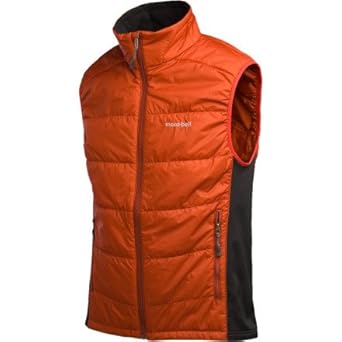
Montbell Ultralight Thermawrap Ves
Vests are high underrated and seem to fall in and out of fashion trends.  That's too bad, because they are highly versatile - venting excess heat well if worn as an outer layer, and retaining a lot of warmth if worn under another layer, like the MontBell U.L. Down Parka recommended in the last post.  This particular item uses synthetic insulation, which retains it's loft better in wet or damp conditions than down fill.

I actually use the very similar Victorinox Classic SD which weighs just 20g.  The Wenger is just slightly larger all around and weighs in at 22g, looks cooler and comes with better scissors, but loses the quite useful screwdriver on the tip of the nail file.  They both make good choices.  If you don't find the tweezers and toothpick useful, Victorinox also sells the SilverTech Signature Lite which substitutes a pen and a small LED flashlight for them.  Give a careful thought to what you need and you may find that you don't need a humongous knife or over-endowed multi-tool for trekking or adventure travel. 
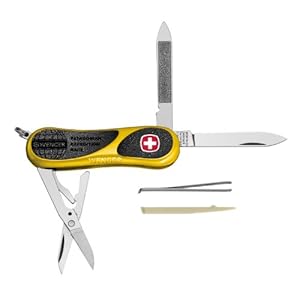
Wenger Evogrip 81
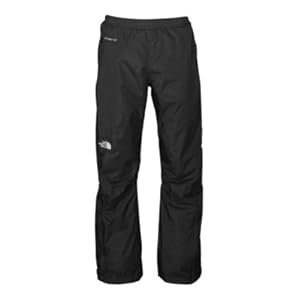
13. The North Face Venture Pants
There are all sorts of lightweight solutions to keep you dry in the rain - ponchos, rain kilts/skirts, umbrellas.  They all work.  I like to have the rain pants because when worn over my trekking pants they add another layer of warmth, and they serve as a second pair of pants I can use when I do laundry.  On a few warm but wet trips where I only use shorts, these serve as my only long pants.  Get the 1/2 zip version.  You can still get them on and off over hiking boots.  A fully separating side zip makes putting them on and taking them off a breeze, and is a necessity if you're using crampons, but adds considerable weight and bulk.
The North Face Venture Pant


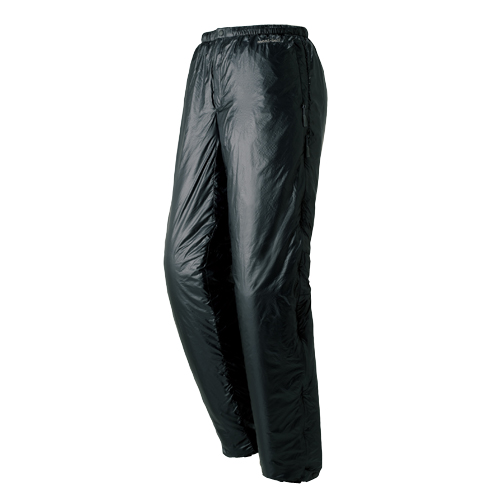
14. Montbell U.L. Thermawrap Pants
If you've never had puffy pants, you don't know what you're missing.  These won't score high on fashion points, but puffy pants are great for when the mercury drops.  I don't bring them on all my treks, but these are recommended for any high altitude or winter trek in Nepal.  The puffy pants back up my lightweight sleeping bag at night, and in the morning, the full length zip allows me to easily remove them before I start walking.
Montbell U.L. Thermawrap Pant
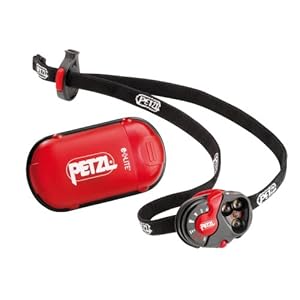
15. Petzl e+Lite Headlamp
This little light is bright enough for predawn starts up Poon Hill or Thorung La on the Annapurna Circuit in Nepal.  It uses two Lithium CR2032 batteries which last a long time, but are hard to find in third world countries.  I usually put in new batteries before a trek, and don't carry spares.  Tip: Dump the case.  The light has a nifty lock so it's hard to accidentally turn on, and it's tough enough to store just about anywhere in your pack.
Petzl e+Lite
16. Plastic Bags
Your backpack is not waterproof, and backpack covers aren't really waterproof either.  You'll need an extra large, industrial strength garbage bag to line your backpack.  Try to get a white one.  It makes the inside brighter and things easier to find.  Load your stuff in, then compress to get the air out, and finally seal the top with a couple of twists.  I usually put my rainwear on the top of the garbage bag to help prevent the garbage bag from twisting open, and also for quick and easy access.  You'll also need a couple of gallon sized ziplock bags to store smaller items for the hood/top pocket of your backpack.

17. Camp Xenon 4
Should you bring a pair of trekking poles on a trek?  If you're not sure, just bring one.  It's not much additional weight and one is plenty useful, and it leaves you a free hand to take photos.  These folding trekking poles claim to be the lightest in the world.  They are not, but come close, and are a lot cheaper.  I would be cautious about going too light, as these can be quite flexible.  If you are big, consider going with the slightly heavier, but more stoutly built Camp Xenon Trek.  These come in two fixed, non-adjustable sizes.   If you've got the correct size, your forearm should be parallel to the ground when holding the trekking pole on level ground.
Camp Xenon 4 Trekking Poles
17.  Comfort Food
You may not get a whole lot of protein in your meals during the trek.  A tub of peanut butter goes great with chapatis or Tibetan bread in the morning, and some jerky or dried meat will top off a bowl of noodles or pizza nicely. 

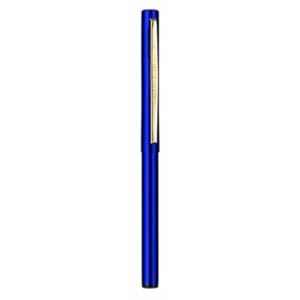
18. Fisher Stowaway Space Pen
If you've got the Victorinox SilverTech Signature Lite with the pen, then you won't need another pen.  I don't.  Plus I'm not allowed to carry my knife on the plane, so I usually carry a small pen, and the Fisher Stowaway Space Pen is my choice.  It's about as small as a pen can get, and is probably a shade bigger than some refills.  Definitely not something you want to use for extended writing, but it's just the thing to stuff in your wallet for making notes, or filling out immigration forms with.
Fisher Stowaway Space Pen
So that's pretty much it.  I use a pair of zip-off pants (yes, just one pair that I wash and wear.  When it's being washed, I use my rain pants).  And on long treks, I carry an extra lightweight fleece layer, and an extra tech tee. 

In Singapore, The North Face can be bought at the TNF Flagship store in Marina Square, Montbell and Camp at X-Boundaries in Velocity,  Marmot at Camper's Corner, and Patagonia at Outdoor Life.